

Camping & Hiking
Discover useful equipment for camping, cycling, water sports and everyday adventure. Thoughtful choices, clear details and gear you can take outside with confidence.
Most outdoor equipment is sold on numbers: litres, grams, temperature ratings, waterproof columns. Those figures matter, but they only make sense once you know what kind of trip you are planning. A tent that is perfect for a summer campsite with the car parked ten metres away will feel heavy and fussy on a three-day hike, and a lightweight shelter built for long-distance walkers can be cramped and draughty for a family weekend. Starting from the trip, not the product, is the simplest way to spend less and carry what you actually use.
Before you buy anything, write down three things: how you will travel (car, bike, on foot or by boat), how many nights you will be out, and the coldest and wettest weather you can realistically expect. Those answers rule out more options than any review, and they make it much easier to compare what is left.
For camping, your shelter and your sleeping system decide whether the night is restful. With tents, the capacity on the label usually assumes people lying shoulder to shoulder with no room for bags, so many campers go one size up. Look at the floor dimensions and the height at the door rather than the headline number. Double-wall tents, with a separate inner and flysheet, handle condensation better in damp climates. Footprints or ground sheets protect the floor from stones and roots and are easier to replace than the tent itself.
A sleeping bag only works with good insulation underneath you. The ground draws heat away faster than cold air does, which is why sleeping pads carry an R-value: the higher the number, the better the pad blocks that heat loss. Foam pads are cheap and cannot puncture; inflatable ones pack smaller and are more comfortable but need a repair kit. Comfort ratings on sleeping bags are a better guide than extreme ratings, which describe survival rather than a decent night.
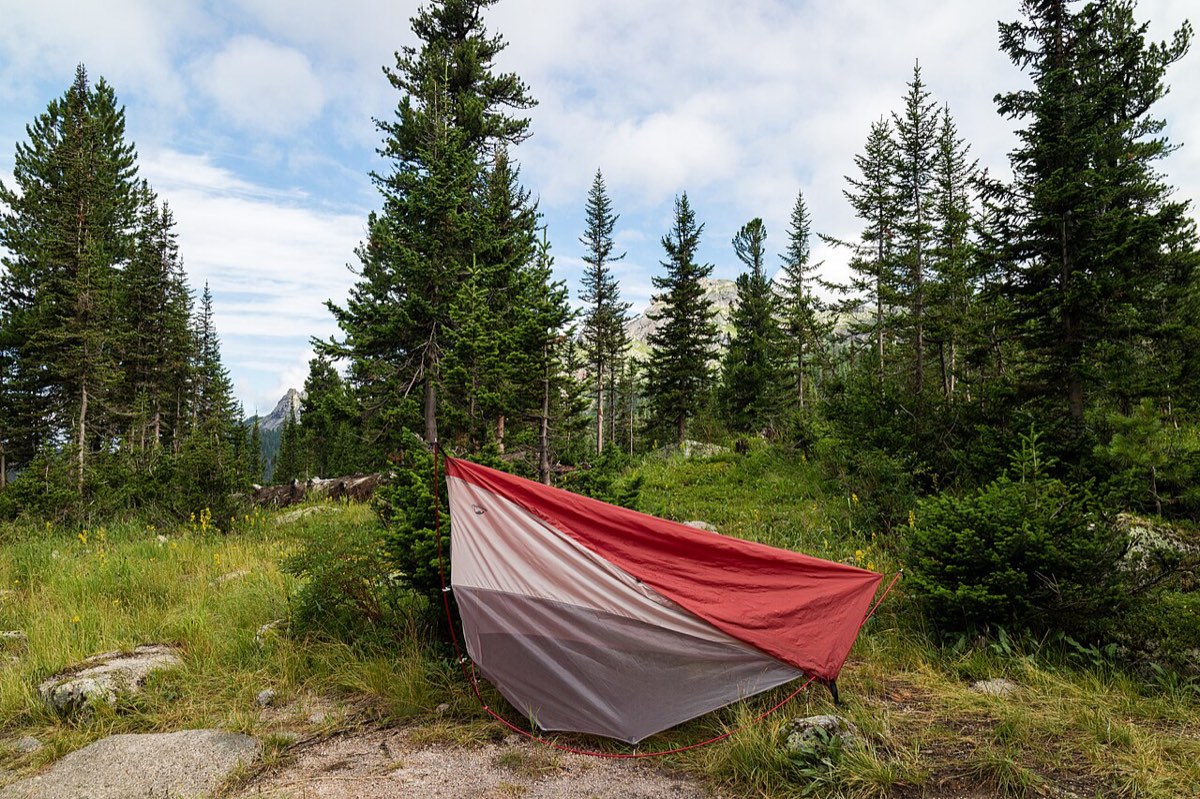
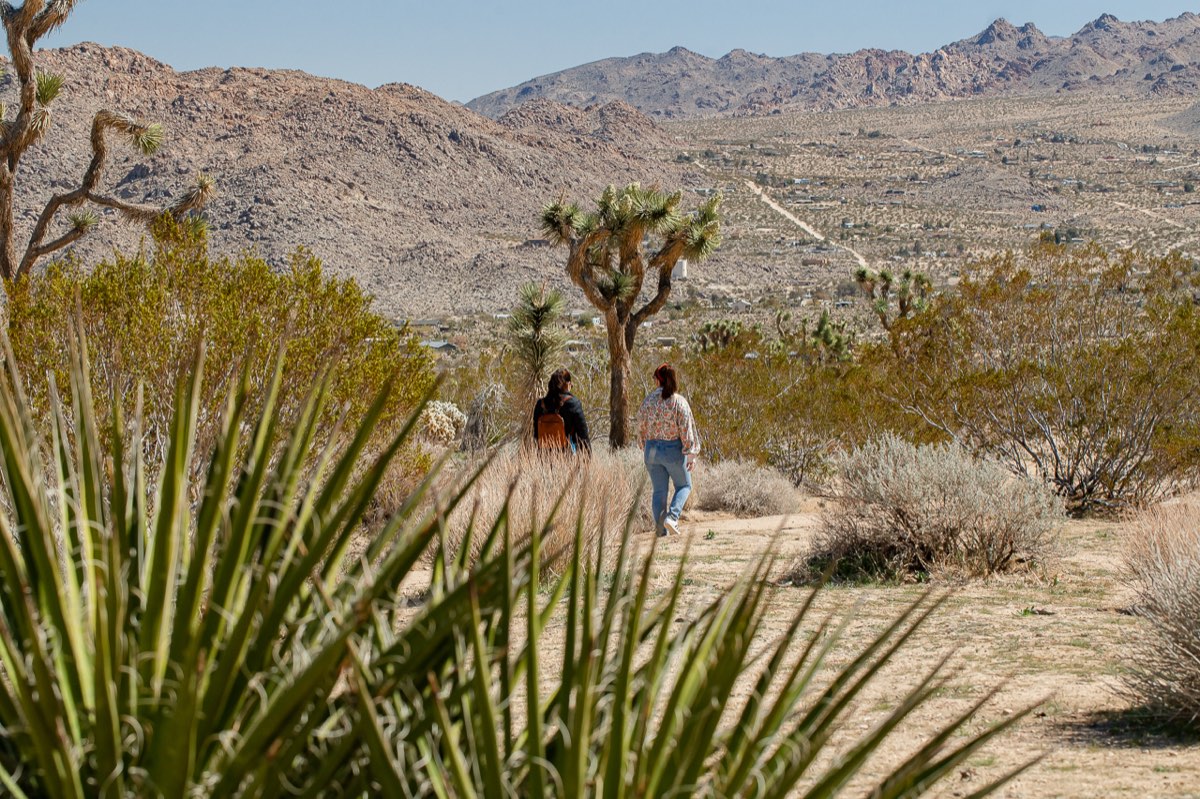
On foot, every item has to earn its place. A good rule is to sort your kit into three piles after each trip: things you used every day, things you used once, and things you never touched. Safety items such as a first-aid kit, a headlamp, a map and a way to purify water stay regardless. Most of the third pile can stay at home next time. Our guide on building a smarter camping kit walks through this process for a typical weekend.
Fit matters more than features with backpacks. A pack should rest its weight on your hips, not your shoulders, and the back length needs to match your torso. Try it loaded, walk around, and check that the hip belt sits on the top of the hip bones. A well-fitted pack of modest size is far more pleasant than a larger one with more pockets.
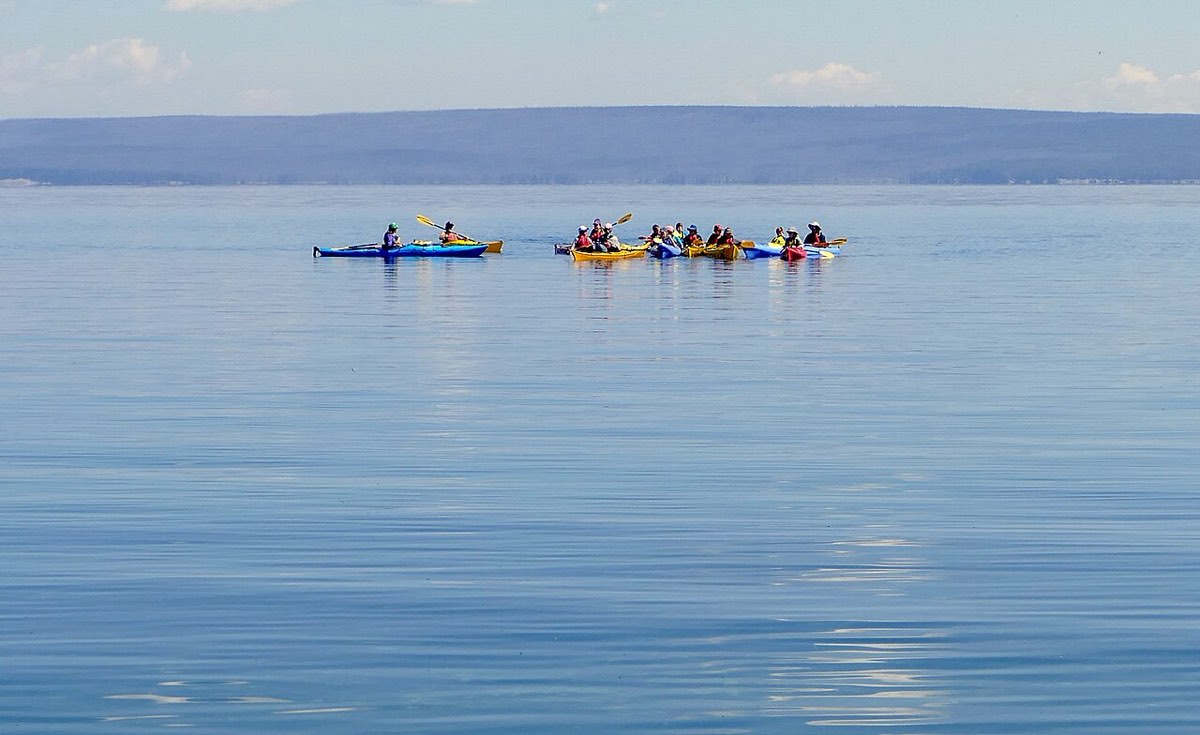
Water sports and winter sports raise the stakes, because cold is the main risk in both. On lakes and rivers, a properly sized buoyancy aid or life jacket is the one piece of kit that should never be optional, and it only helps if you wear it rather than stow it. Water is often much colder than the air above it, so dress for a swim even on bright days. In winter, prioritise gloves, headwear and dry socks, and check bindings and edges before the season rather than at the top of the slope.
Whatever the activity, look after your gear between outings. Dry tents and sleeping bags fully before storing them, rinse salt or grit from moving parts, and store sleeping bags loose rather than compressed. Small repairs done at home are far easier than fixes made in the rain.
You can browse equipment by activity, from camping and hiking to water sports, and compare items with your own trip list in mind. The best kit is the one that fits your plans, your body and the conditions you will meet.
From a first weekend under canvas to a familiar trail or a quiet morning on the water, OutdoorFull brings practical categories together in one easy-to-browse place.


Practical checklists and beginner-friendly advice for choosing, packing and caring for your equipment.
Visit the blogA little preparation makes outdoor time more relaxed. Before you leave, check that the equipment fits your plan, that closures and adjustment points work smoothly and that the item can be carried or stored comfortably. During the outing, keep essentials accessible and pay attention to changing weather, terrain and energy levels. When you return, clean away grit, let damp materials dry completely and store the product where it can be inspected easily. These habits are simple, but they help equipment stay dependable and make the next outing easier to organise. Use the related collection and OutdoorFull guides to build a balanced setup around the activities you enjoy most.
Choosing the right layers matters more than packing more of them, since a single well-chosen midlayer often does the work of two bulky extras. Look for fabrics that breathe when you move and hold warmth when you stop, and favour pieces that pack small enough to disappear into a daypack until the weather turns. Small details earn their place over time, from a hood that stays put in wind to cuffs that seal out drizzle. Replace worn items before a seam or zip becomes the reason a trip ends early, and check casinos not on gamstop for a few ideas on building that layering system.
Choosing the right layer for the conditions matters as much as the gear itself, so think about how each piece works with the next: a breathable base, an insulating mid layer and a shell that keeps wind and rain out. Zips, cuffs and hoods should adjust without fuss, and pockets need to sit where you can reach them while wearing a pack. Test the fit with your arms raised and your hands overhead, since restriction shows up on the trail, not in the shop. non gamstop casinos can sit alongside these choices when you plan a layering system for colder days.
It is worth keeping a short record after each trip. Note what was comfortable, what was difficult to reach and what you would pack differently next time. That small review turns experience into a better system: frequently used items move closer to hand, spare layers become easier to find and maintenance becomes part of the normal rhythm rather than an afterthought. If the activity is shared with family or friends, agree on where communal items live and check them together before leaving. Clear routines reduce last-minute stress and make it easier for everyone to enjoy the day.
Choosing the right layer for the conditions matters as much as the gear itself, so think about how you will stay warm when you stop moving and how quickly you can shed a layer once you start again. Small details repay attention: a map and compass still work when a battery does not, and a repair kit turns a torn strap into a minor delay rather than a shortened day. Give some thought to how you will carry water and snacks on longer routes, and to what you would do if the weather turned sooner than forecast. For broader context, see non gamstop casino.
Outdoor conditions change, so allow room for judgement. Check local guidance, choose a route that matches the group and keep safety equipment appropriate for the activity. Good preparation is not about predicting every detail; it is about creating enough margin to respond comfortably. Explore the active collections, read the field notes and choose only the pieces that genuinely support your next plan.